 “Abby”
- VIN
- SCC 52591001
- Type
- 106
- Race number
- 10
- Nickname
- “Abby”
- Engine number
- LP 9108 9022259440
- Seasons raced
- 1991–1995
- Last known location
- New York
- Record updated
- 2020
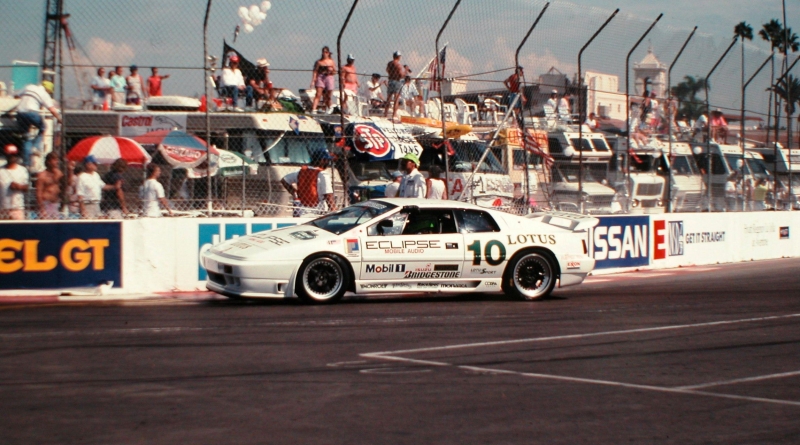
Of the twenty-five Lotus Esprit X180Rs in this register, twenty are road-going homologation cars and five are factory race cars. This is one of the five, and the first Type 106 among them. Chassis 52591001 raced for five seasons as Doc Bundy’s No. 10, won LotuSport’s first IMSA race, and carried Bundy to the 1992 IMSA Bridgestone Supercar Drivers’ Championship — the high-water mark of the whole program.
It arrived for 1991, one of three new cars built to the more developed Type 106 specification after the two 1990 Type 105s had shown what an Esprit could do in the SCCA World Challenge. Bundy won on the team’s IMSA debut at Road Atlanta that September, took two poles in the parallel SCCA campaign, and won at Denver. In 1992 the car won three times — Road Atlanta, Portland and Phoenix — and Bundy took the title. It opened 1993 by winning at Miami, where the X180Rs finished one-two-three; IMSA’s response to that sweep, a heavier minimum weight, is the reason the record thins after it.
The professional record ends at Lime Rock in May 1995. What followed is the story of every retired factory car that is not immediately thrown away: dormancy, dispersal, and — for this one — a second career. Yesteryear Motorsports bought three of the five in 2002, revived the LotuSport name from Jack Ansley, and put the championship car back on track, where it has run in vintage competition ever since, including at Goodwood in 2012.
The car came to market in October 2020. That listing, reproduced in full below, is the fullest single account of this chassis in existence, and it is also the reason several things on this page are stated carefully rather than confidently.
There is no competition record on this page, and that is deliberate.
The period results log a car number, never a VIN. A record assembled from them would be the record of a set of decals — and the decals moved. LotuSport ran five cars and renumbered them between seasons; a car wrecked mid-season is repaired or replaced and its number goes back on the grid on whatever shell is ready. This site’s own 1993 season page records Doc Bundy destroying a car at Sebring — “the car folded up” — which is precisely the circumstance in which a number changes chassis.
More than one chassis may have worn No. 10. We hold no document showing that a single chassis carried those decals from 1991 to 1995, so we will not print five seasons of results against this one. The full record of what car No. 10 did is on the season pages, where it belongs — attached to the number, which is what the sources actually establish.
What is established about this chassis is set out below, and it is narrower and better: the driver himself identified it.
Factory to the present
-
1991
Built by Lotus Cars
One of three new Type 106 cars laid down for the 1991 season, joining the two 1990 Type 105s that were returned to the factory and rebuilt to the same specification — giving LotuSport a five-car fleet. The 2020 sale listing describes this chassis as the first X180R Type 106 constructed by Lotus Cars.Vintage Race Car Sales listing, October 2020 -
1991
LotuSport, No. 10
The car runs as Doc Bundy’s No. 10 in the SCCA Escort World Challenge and in the three IMSA Bridgestone Potenza Supercar rounds LotuSport contests. It wins the team’s IMSA debut at Road Atlanta on 1 September, and wins again at Denver in SCCA.Season results, /racing/1991/ -
1992
Champion
Wins at Road Atlanta, Portland and Phoenix. Doc Bundy takes the IMSA Bridgestone Supercar Drivers’ Championship in this car.Season results, /racing/1992/ -
1993
Miami, and the weight that followed
Bundy wins the opener at Miami as the X180Rs fill the podium. IMSA answers the sweep with added minimum weight, and the car scores four further podiums across a harder season.Season results, /racing/1993/ -
1994–1995
The program winds down
Rising performance penalties blunt a four-season-old car. LotuSport contests a part-season in 1995 and closes the effort down; this chassis makes its last recorded professional start at Lime Rock in May 1995.Season results, /racing/1995/ -
After 1995
Dormant
The five race cars are, in the seller’s words, shelved to gather dust at Lotus Cars USA and pass into private hands. The listing does not say which of the five went where, so this chassis’s owners in the dormant years are not established here.Vintage Race Car Sales listing, October 2020 -
2002
Revived as LotuSport
Yesteryear Motorsports owners Kevin McGovern and Jaime Goffaux acquire three of the cars and revive the LotuSport name from Jack Ansley. This chassis is race-restored to Supercar specification and returns to vintage competition, driven by Ken Fitzgerald, Doc Bundy and David Murry.Vintage Race Car Sales listing, October 2020 -
2012
Goodwood
The championship car is invited to, and attends, the Goodwood Festival of Speed. The seller records that a standing invitation to return remains.Vintage Race Car Sales listing, October 2020 -
2020
Offered for sale
Vintage Race Car Sales of Maryland offers the car at $149,000. The registry records the chassis in Maryland to 2020 and in New York from 2020.Vintage Race Car Sales listing, October 2020; X180R registry -
2025
Still raced
The car’s current owner races it at Lime Rock Park — the circuit where, in 1993, its team-mate was disqualified after finishing third on the road. Thirty-three years after Doc Bundy won the championship in it, the championship car is still being driven in anger rather than parked behind a rope.Current owner, to this registry, 2025
The car on file
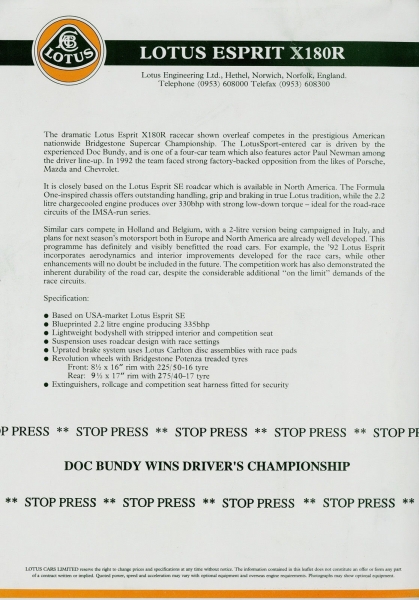
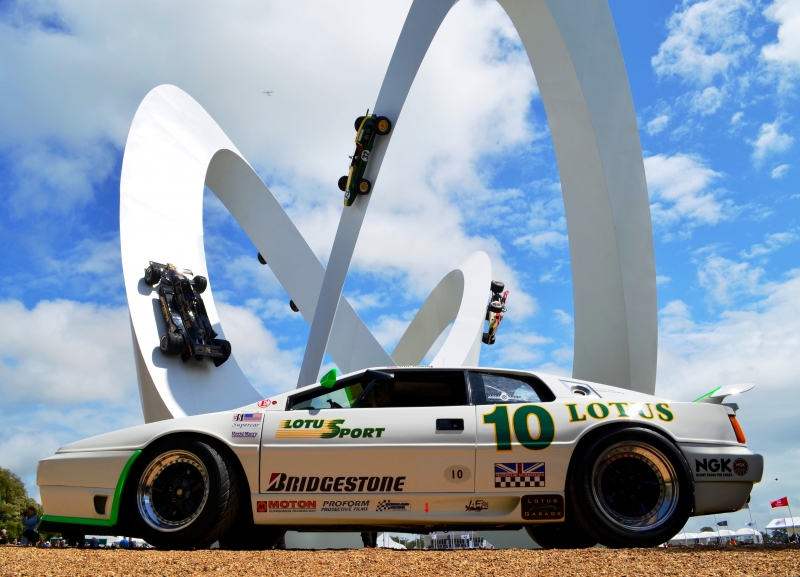
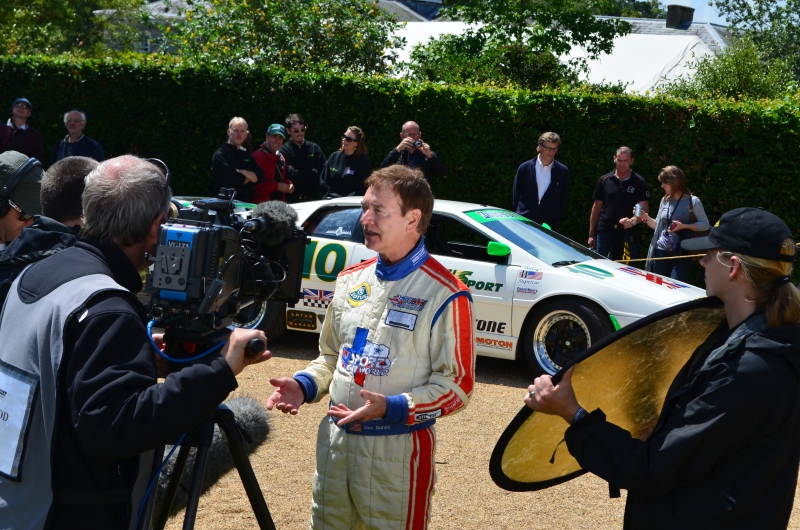
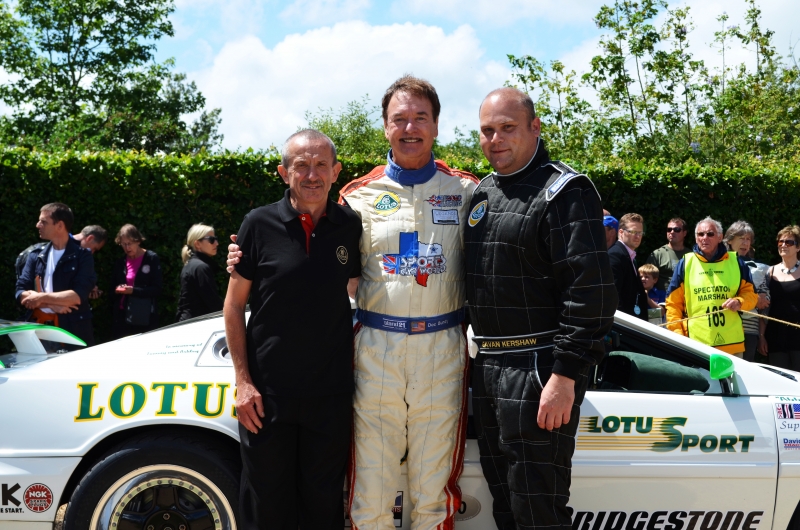
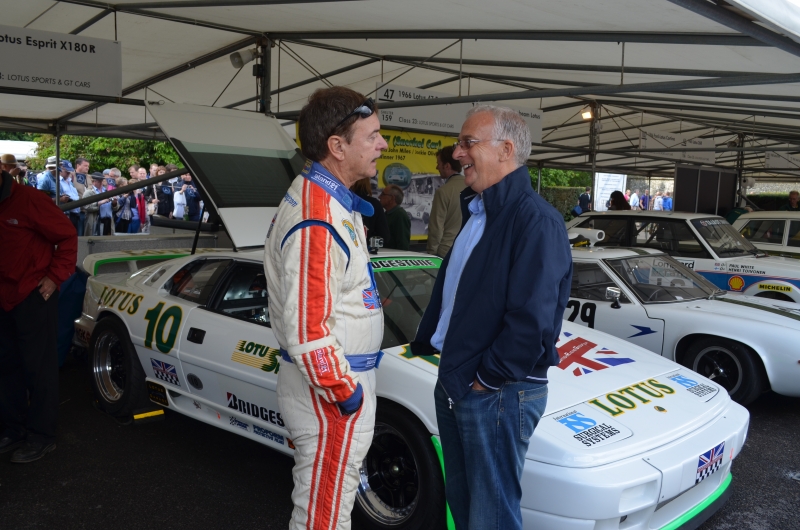
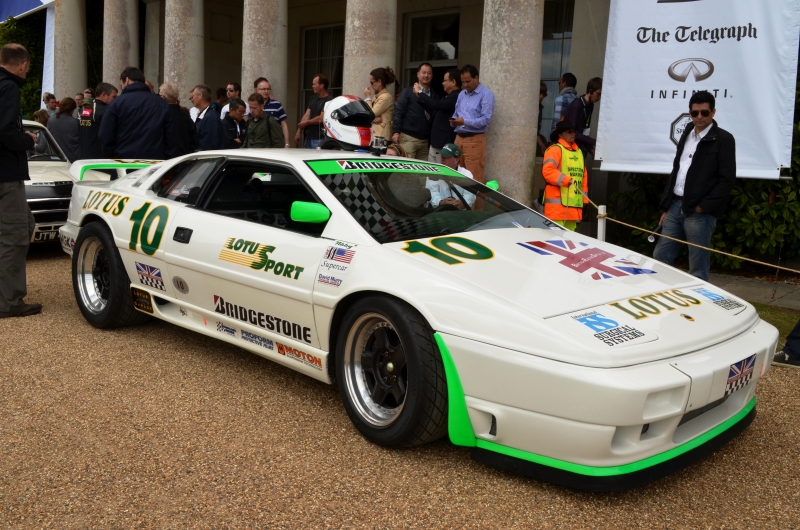
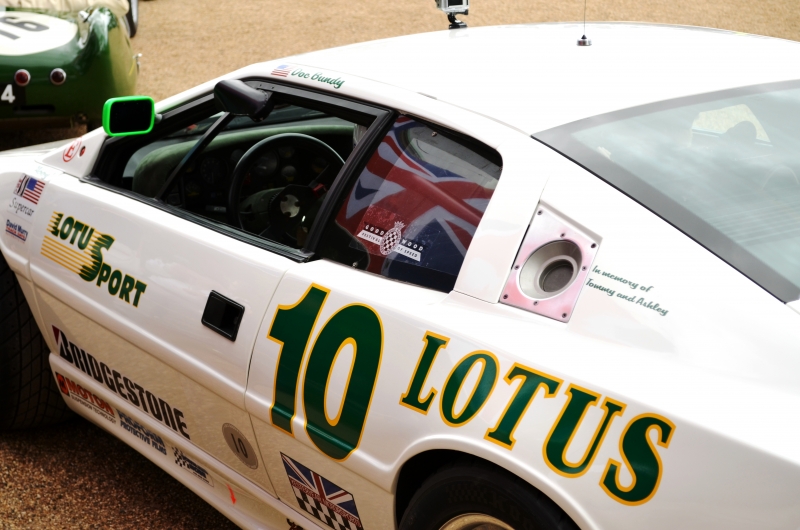
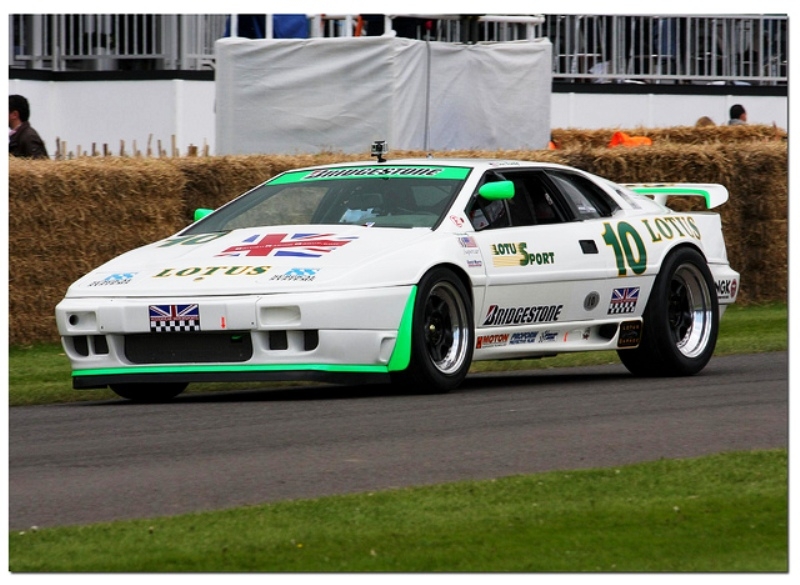
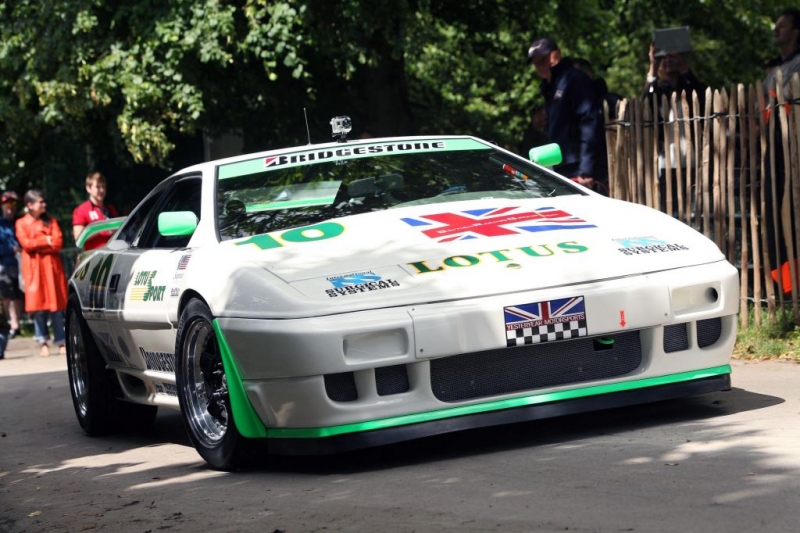
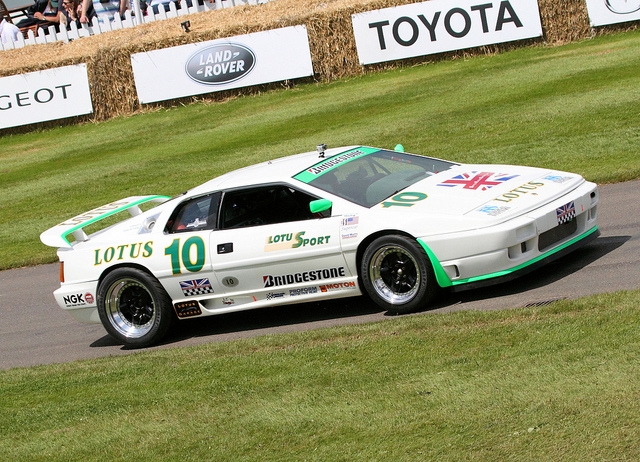
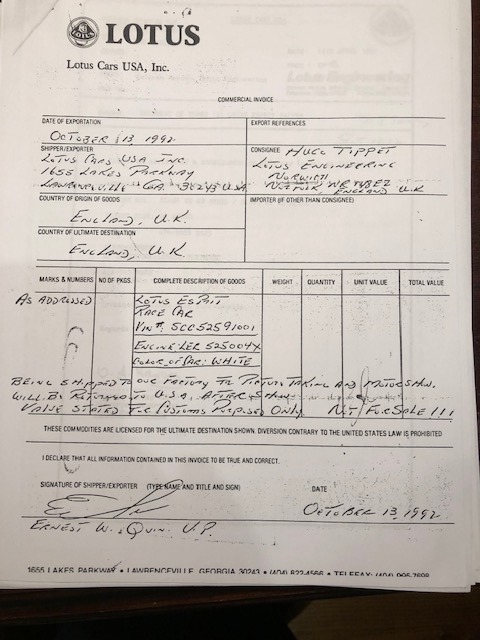
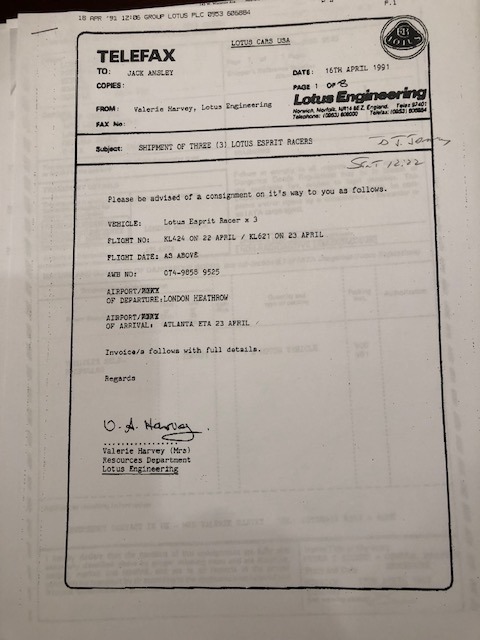
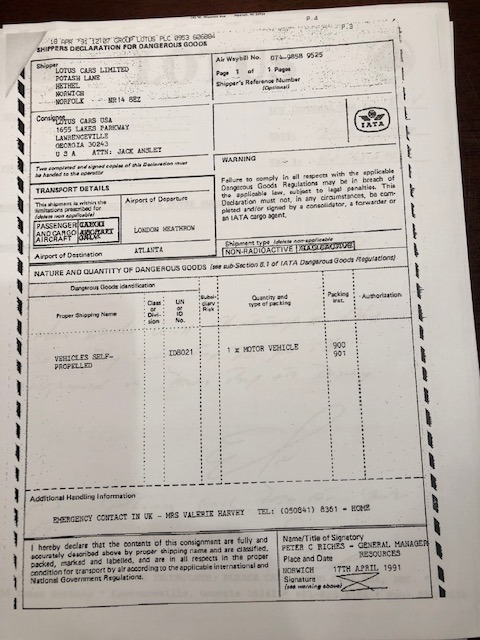
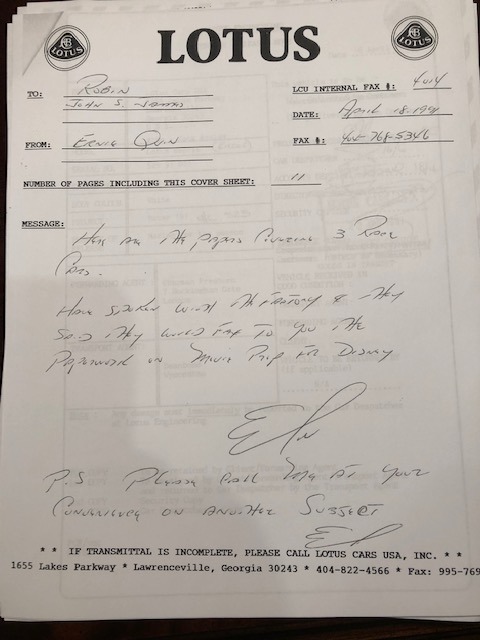
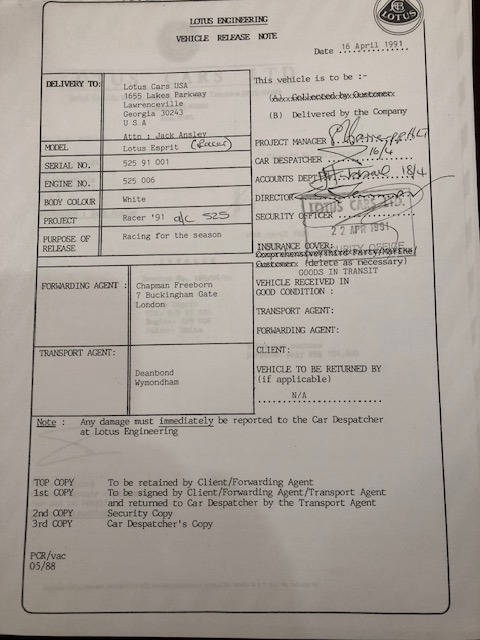
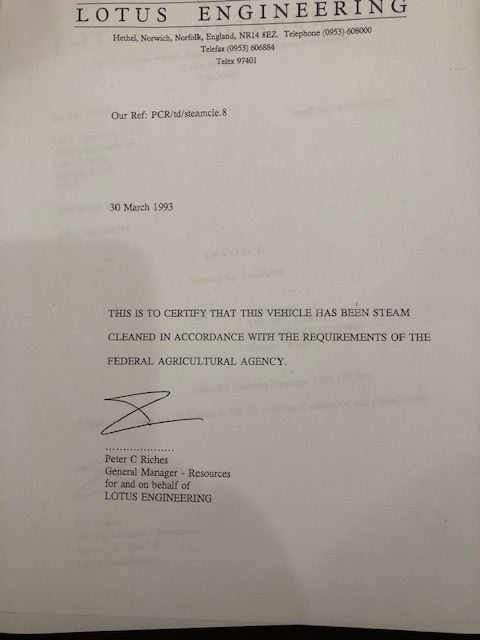
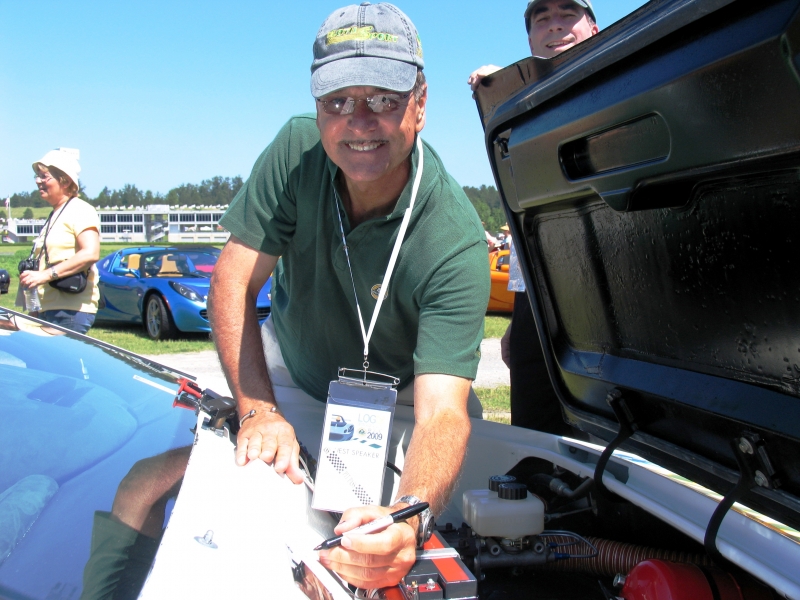
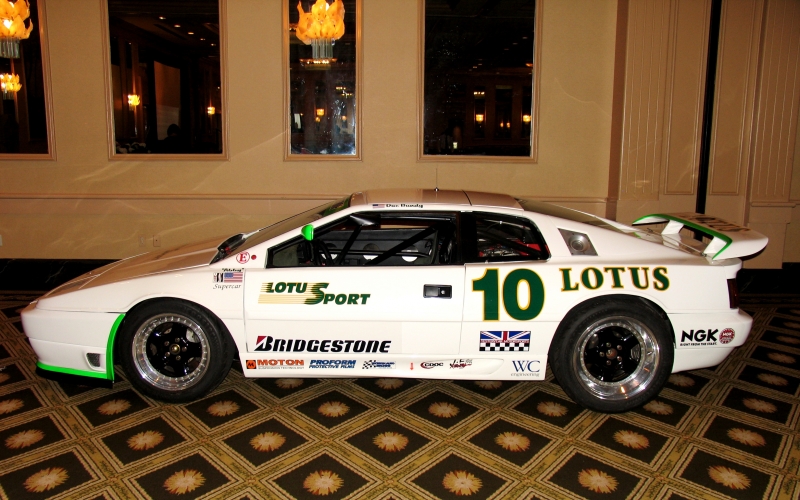
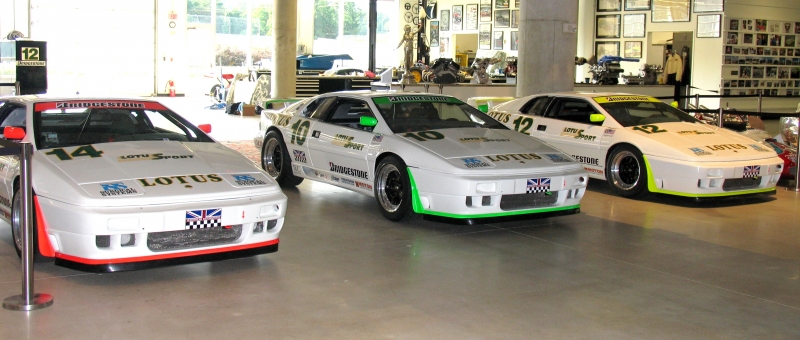
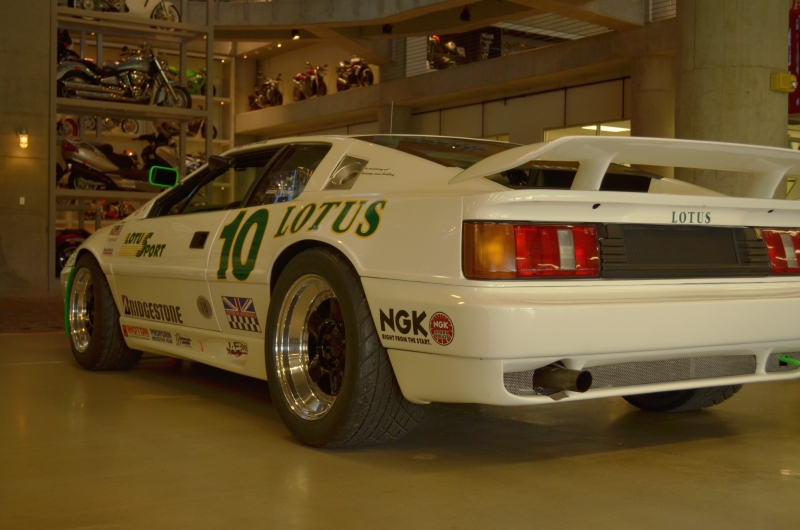
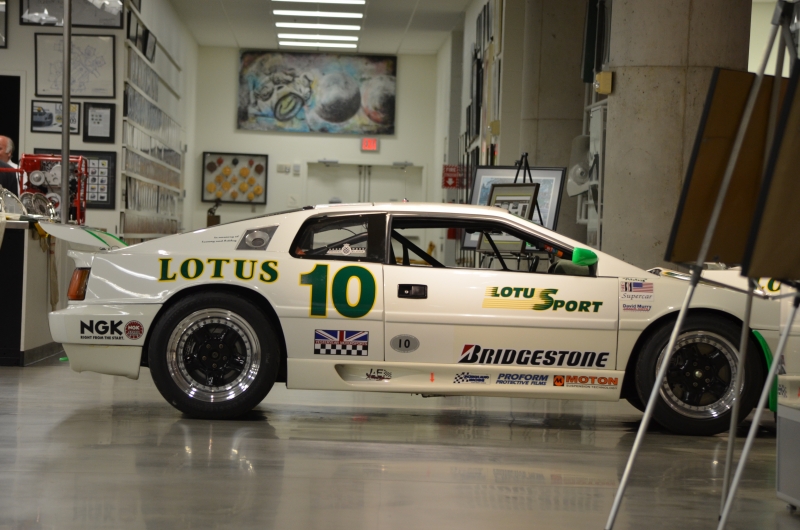
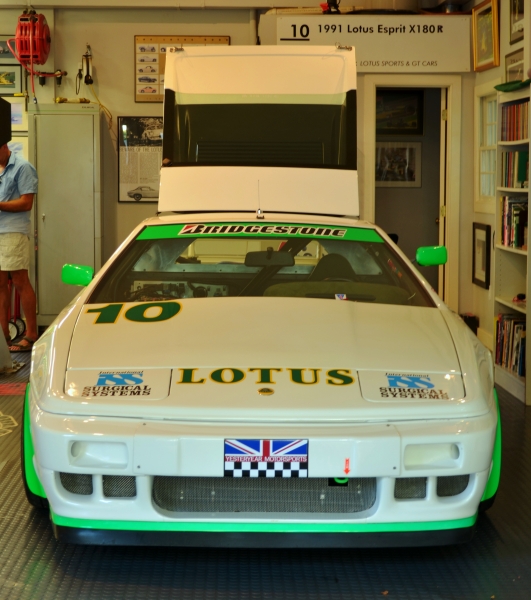
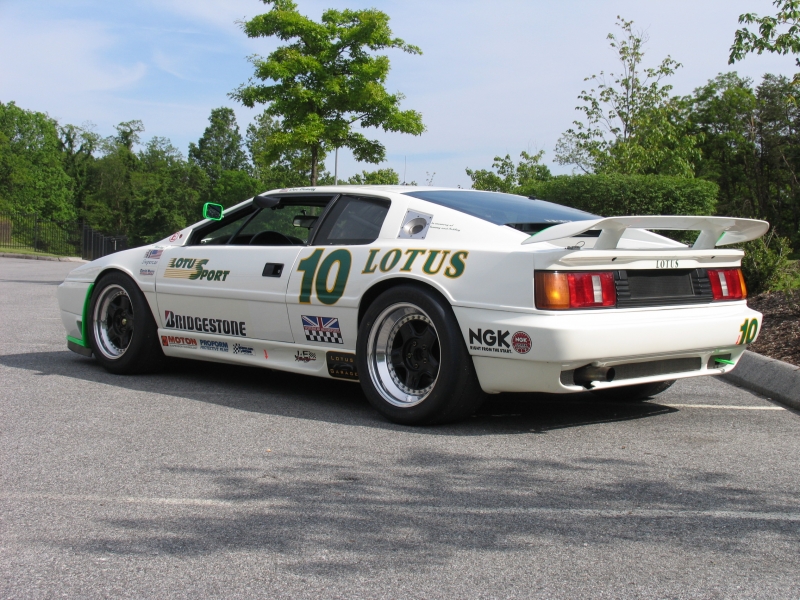
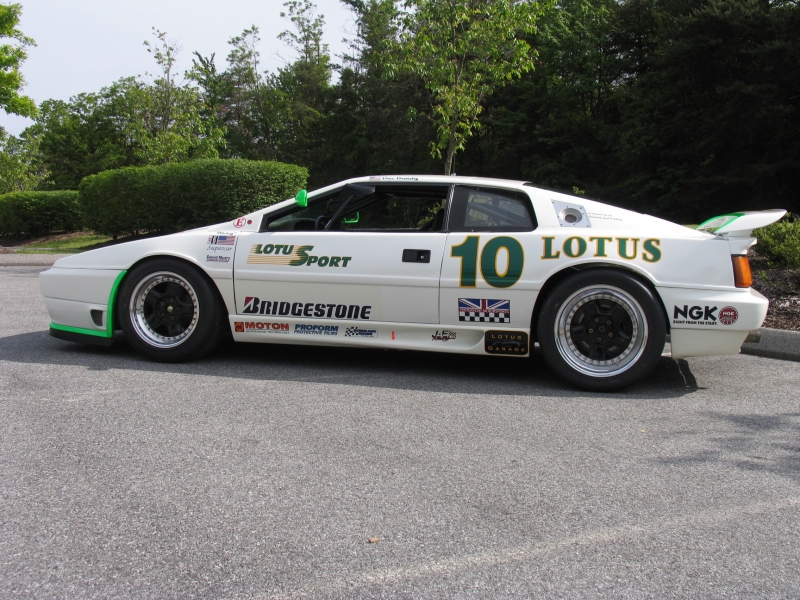
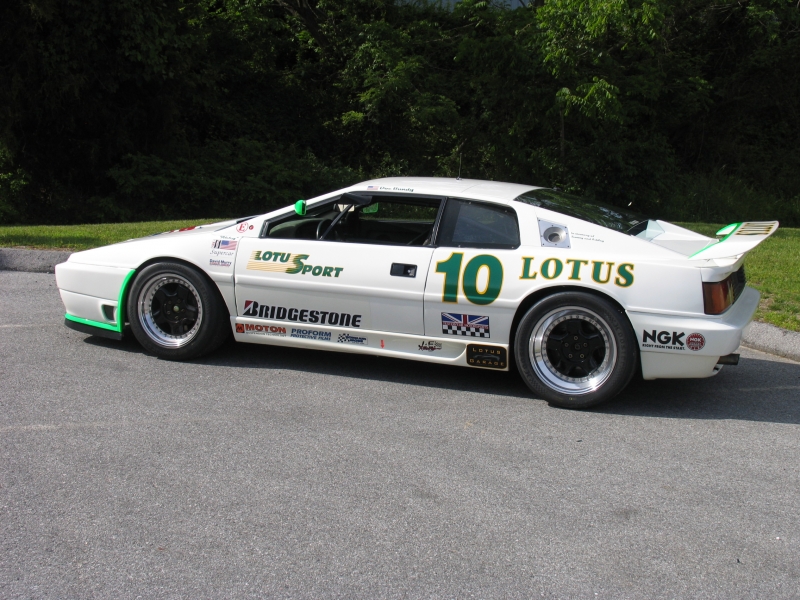
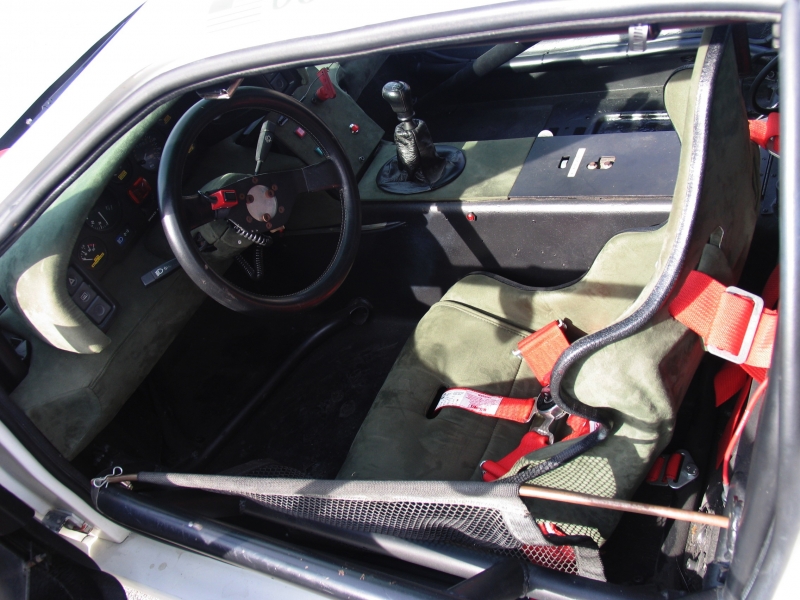
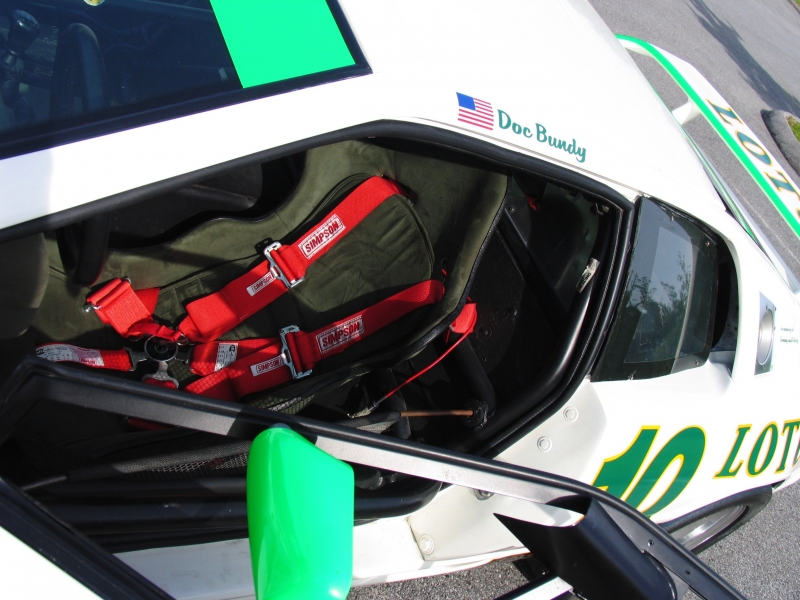
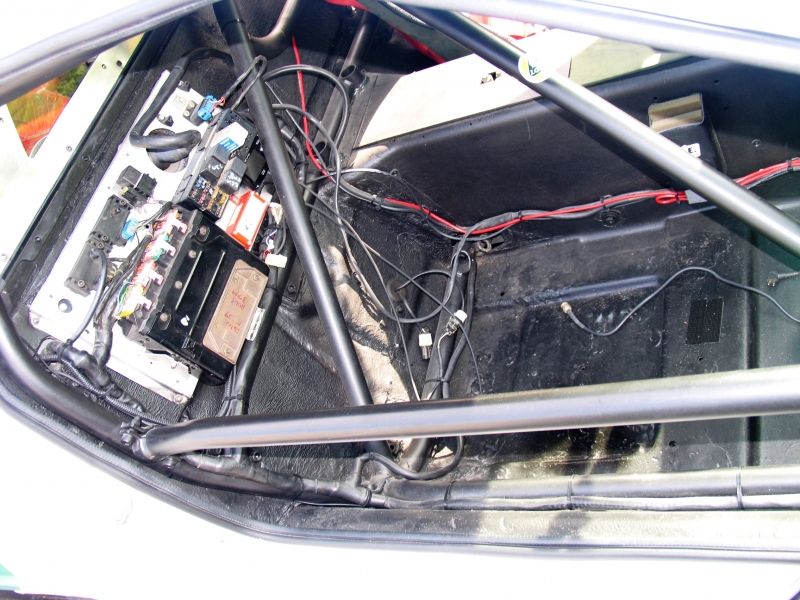
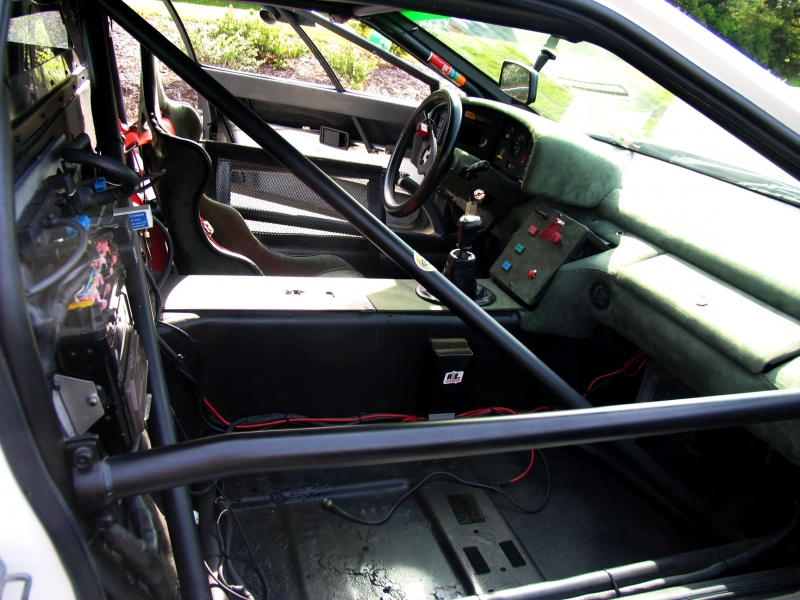
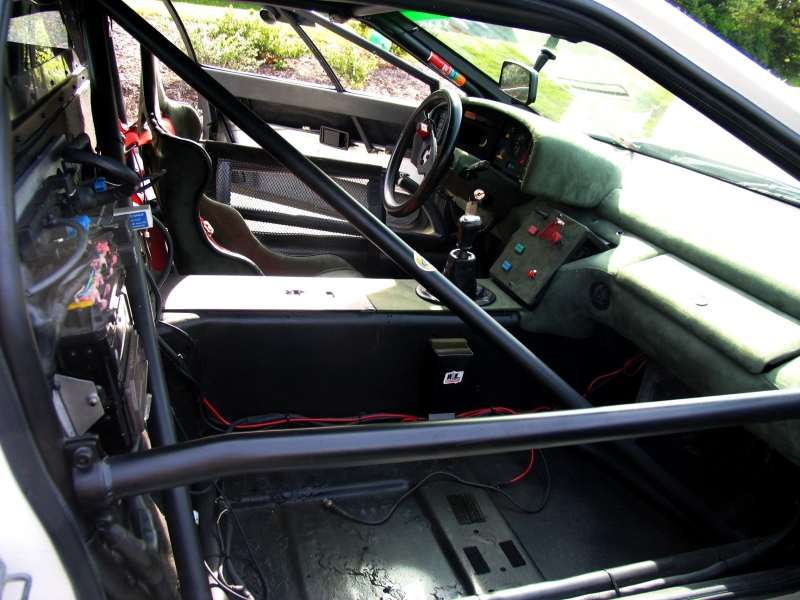
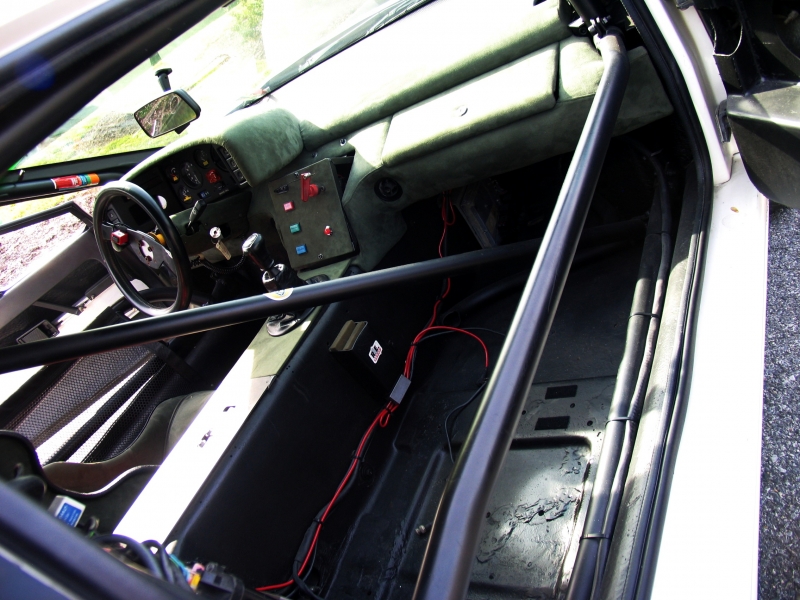
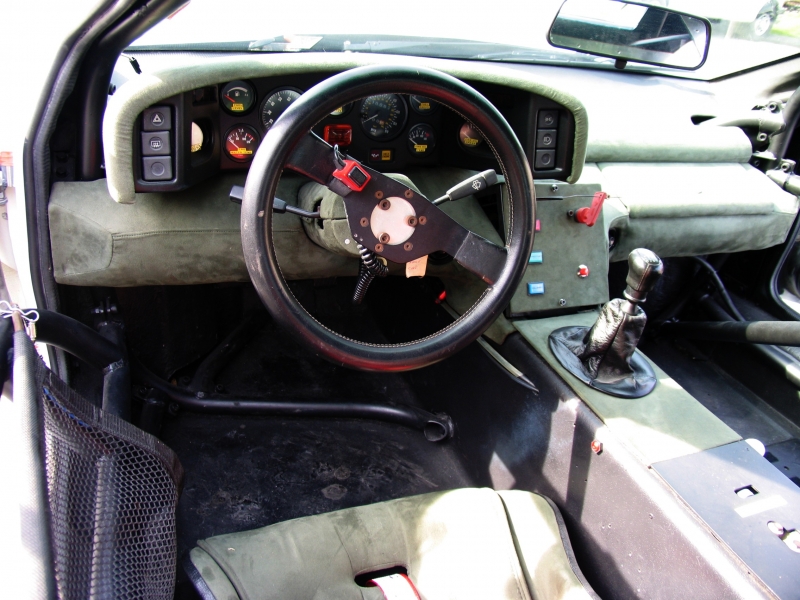
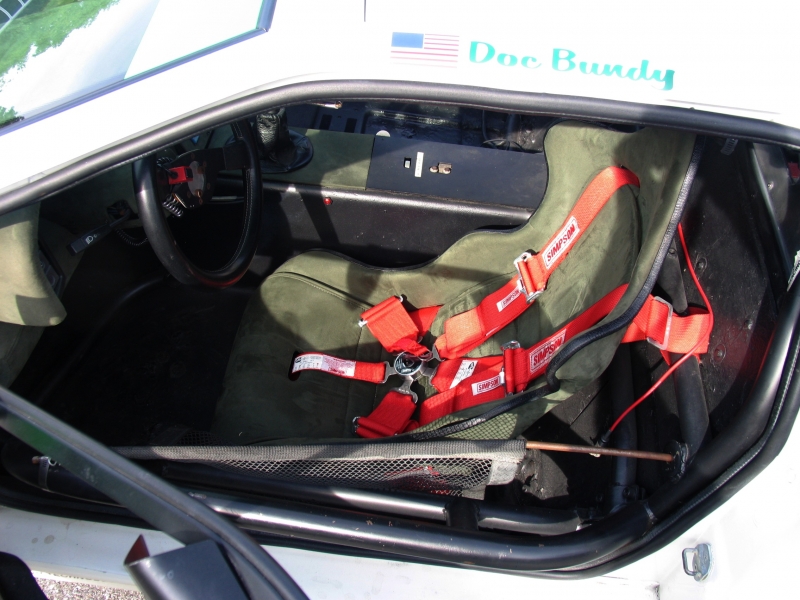
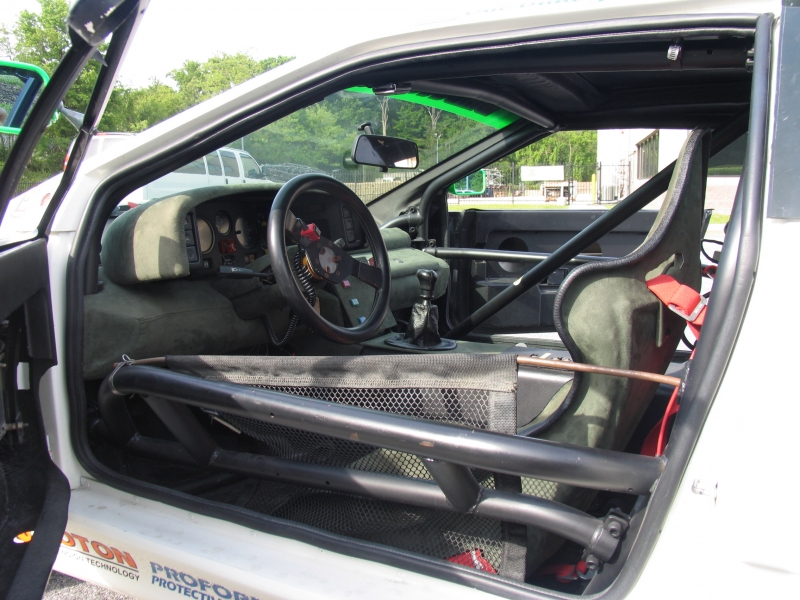
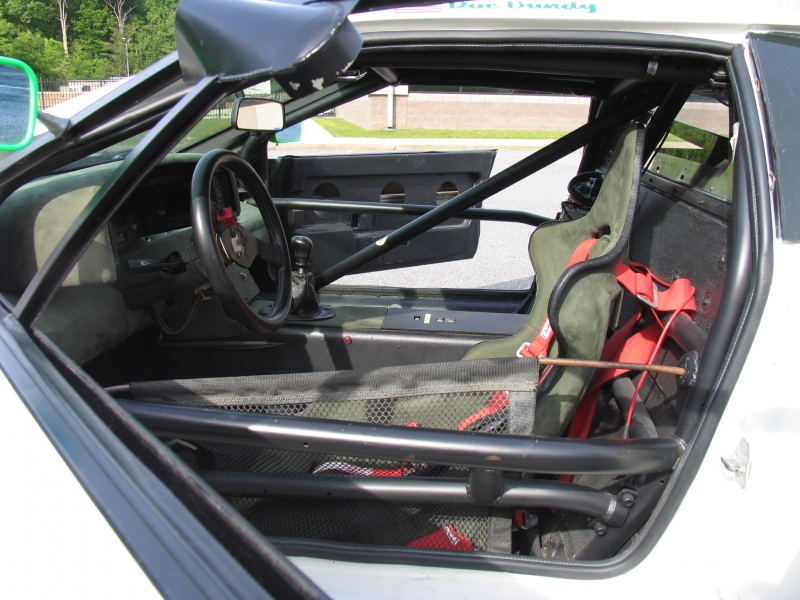
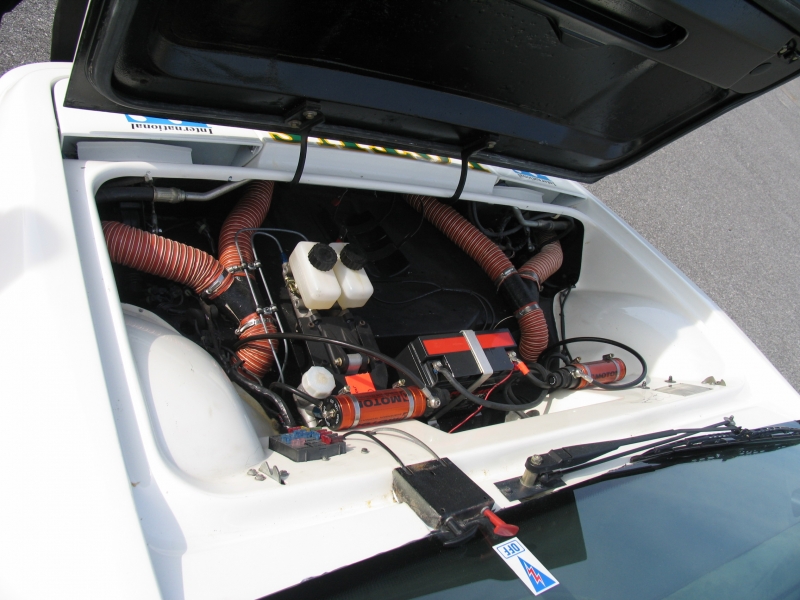
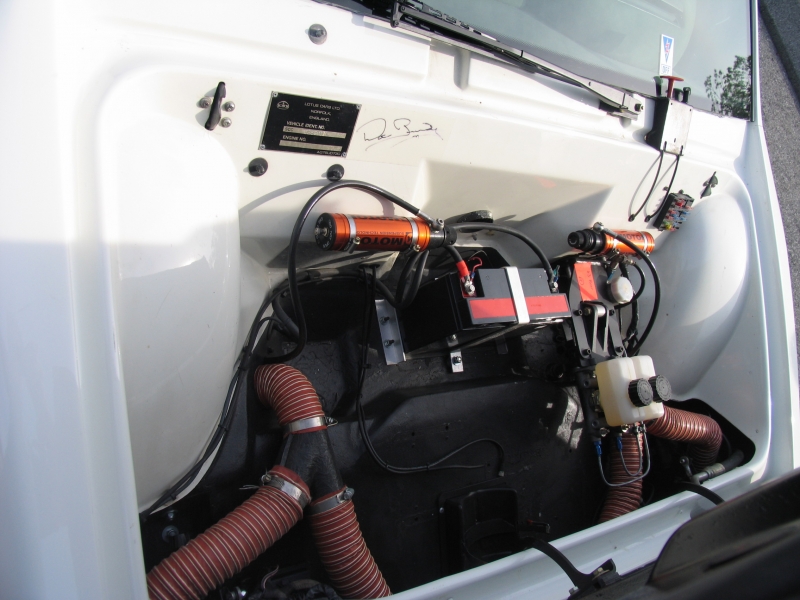
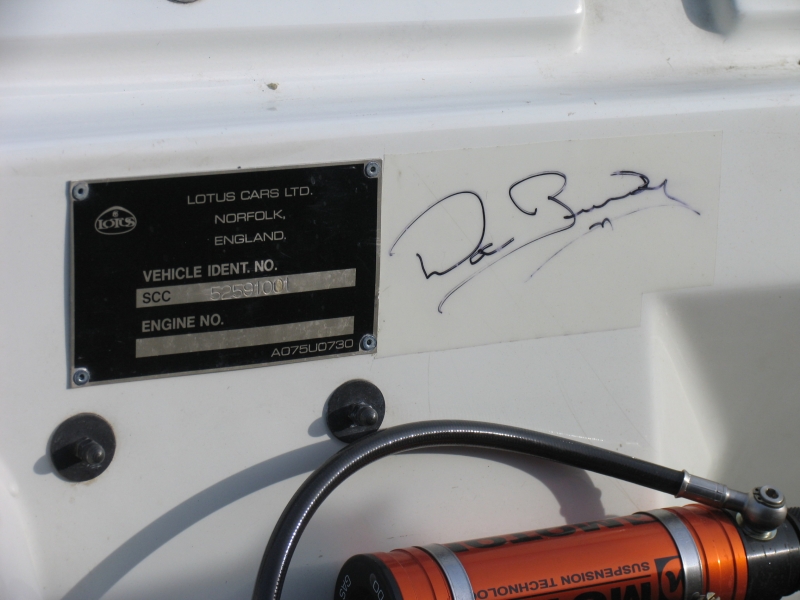
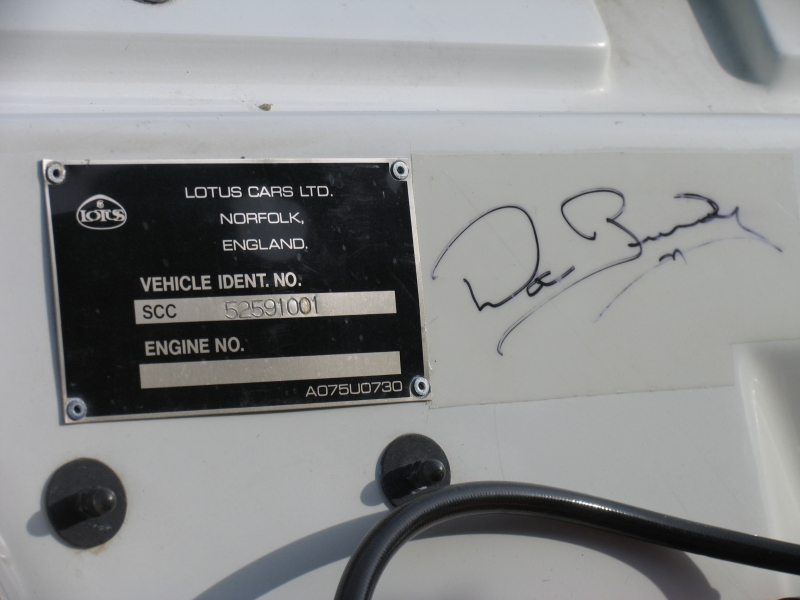
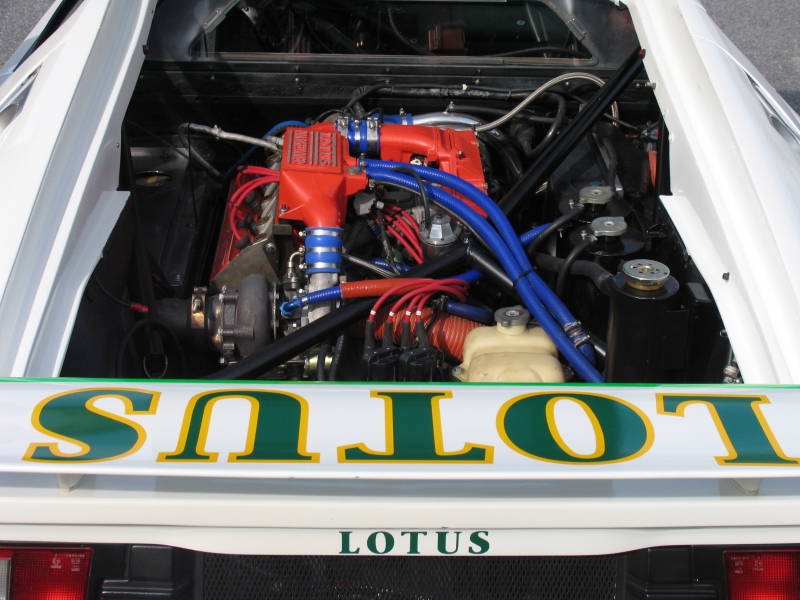
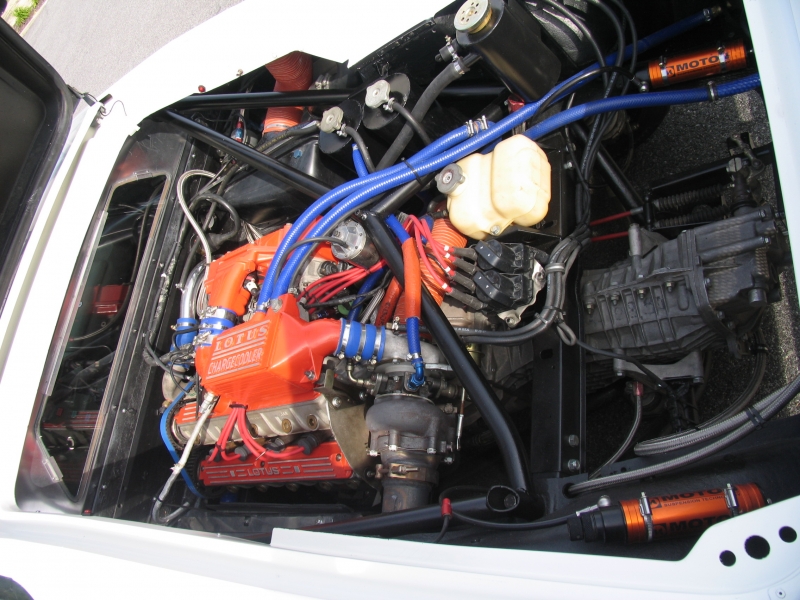
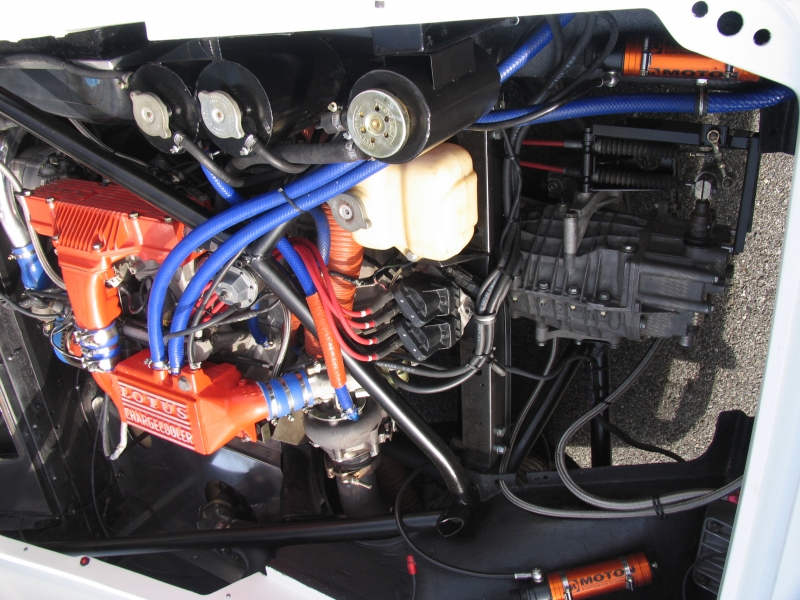
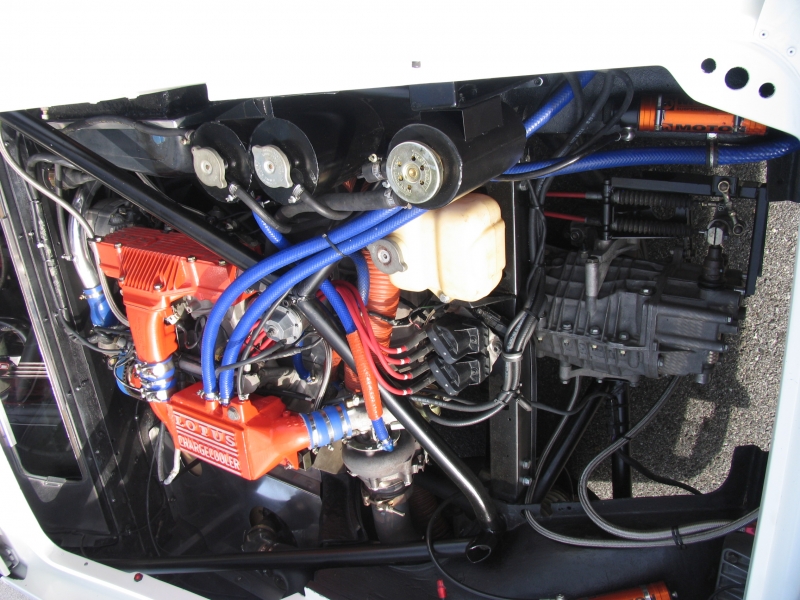
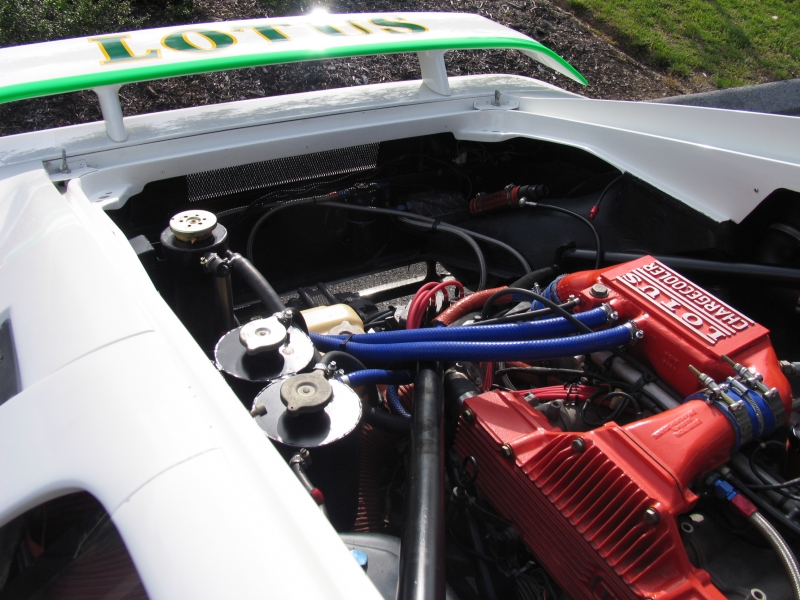
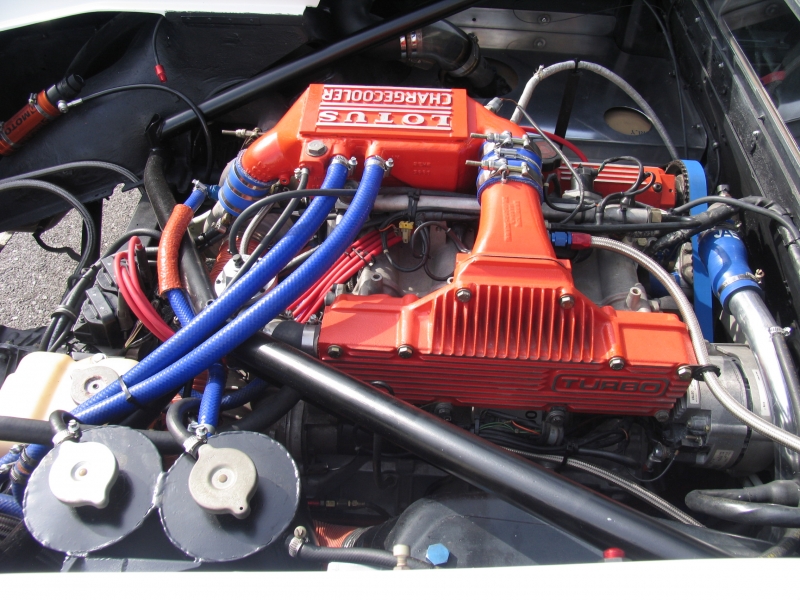
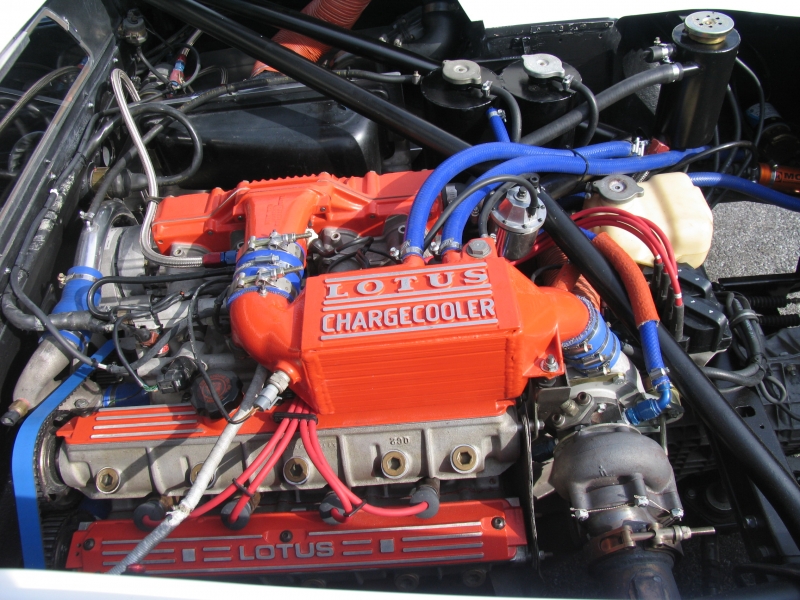
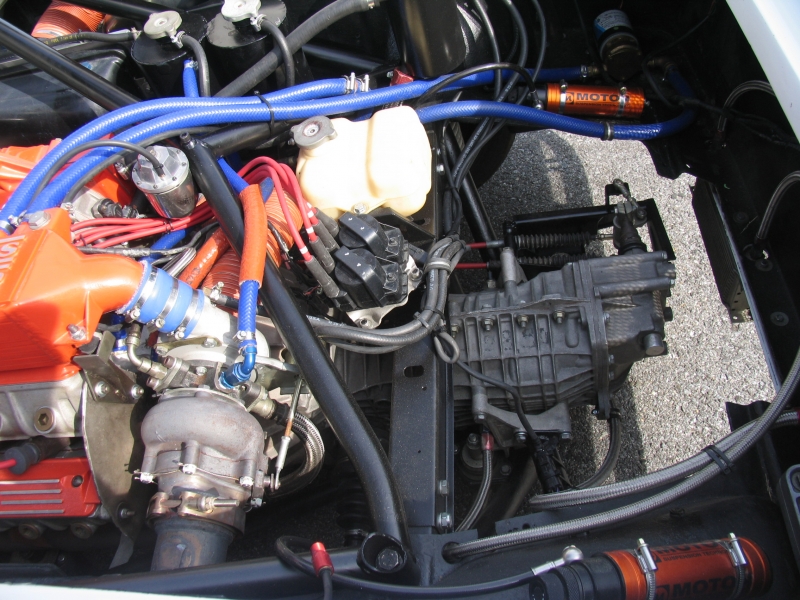
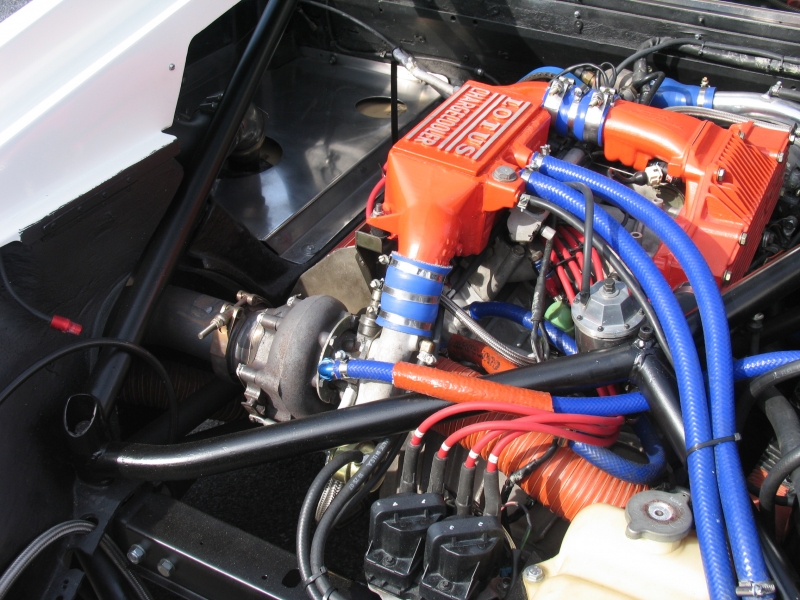
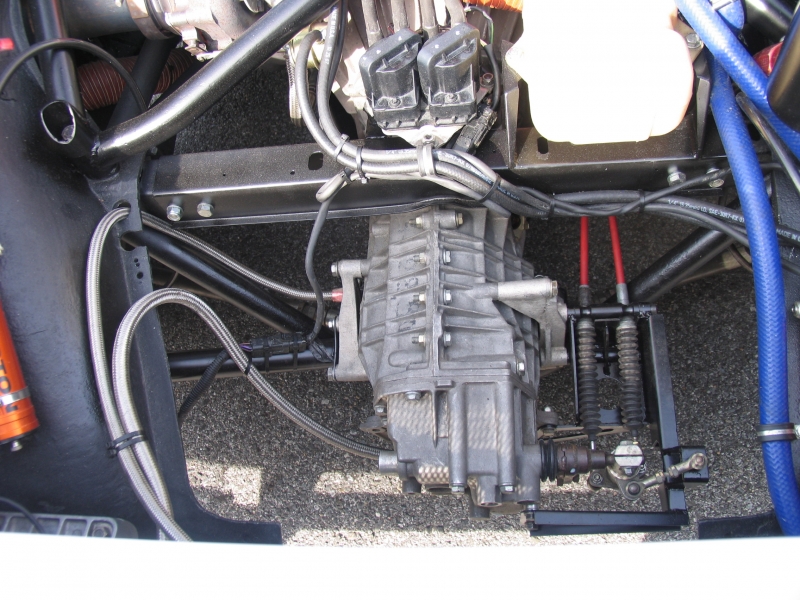
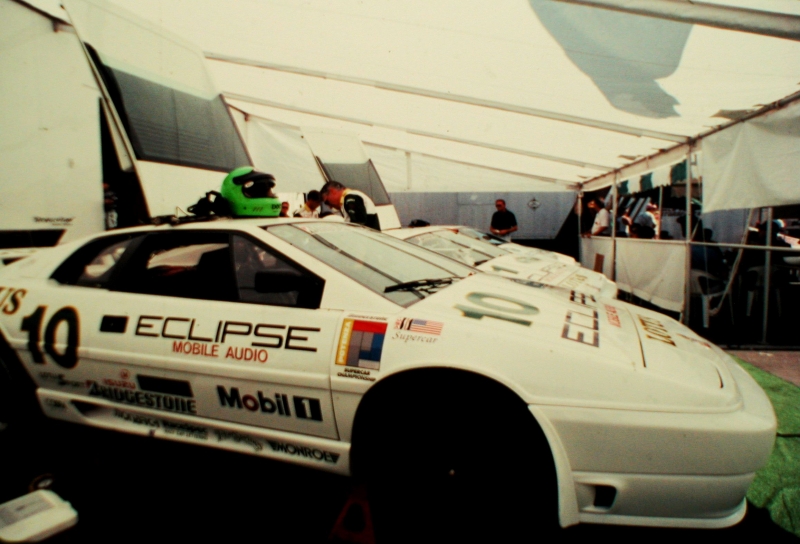
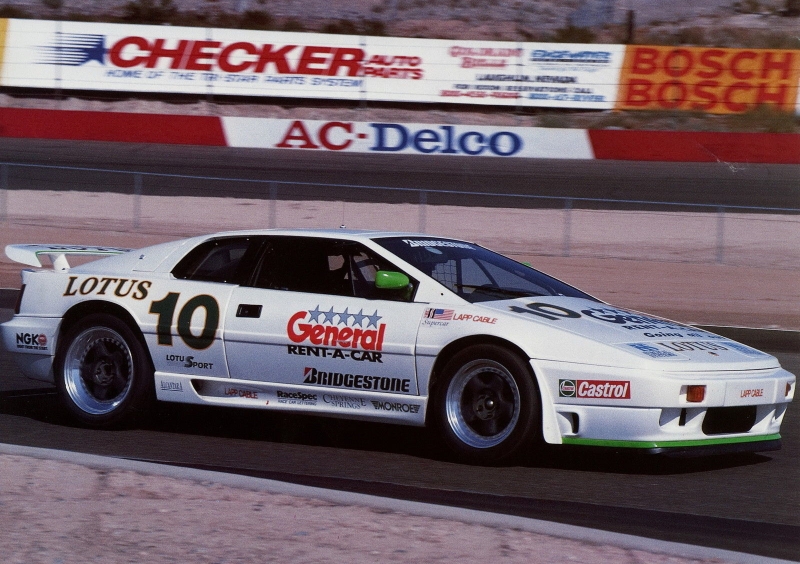
59 images on file for this chassis. Each is credited as far as the record allows; where the photographer is not known, it says so.
The 2020 sale listing
In 1990, Lotus Cars USA convinced the factory in England that it was time to build a Lotus Esprit race car. The SCCA was promoting a race series called the World Challenge, and it was felt that the Esprit would fit right in. This was a professional race series populated by production-based sports cars such as the Corvette. The factory responded by taking two Esprits off the production line, and converting them into the first X180R Type 105 race cars. Under the banner of the Pure Sports team, based in Texas, the cars experienced a very successful debut, even winning the very first race that they were entered in with Doc Bundy as their driver. The team then went on to win two other races with Bundy and Scott Lagasse in 1990.
The first year results were so impressive that three additional cars were commissioned for build for the 1991 season. Using what they had learned with the first two cars, the three new cars, designated Type 106, had additional modification to improve their chances for a championship. The two cars from 1990 were upgraded to the new Type 106 specification, and the race team now had five cars to run. Jack Ansley, of Road Atlanta fame, was brought on board and established the Lotusport team, now based out of Atlanta, Georgia. The heart and soul of the team still remained with lead driver Doc Bundy, however, additional new drivers joined the team for the second year including; David Murry, Michael Brockman, Bobby Carridine, Paul Newman and Bo Lemler.
With the new team came, additionally, a new race series. In 1991, IMSA had started promoting a series called the Supercar Challenge with rules that were similar enough to World Challenge that it allowed cars to compete in both series. Although he was only entered in three Supercar races in 1991, Doc managed a first and third place result in two of the races. Bobby Carridine captured second place in the SCCA World Challenge Driver’s Championship in 1991.
In 1992 David Murry, now signed full time, and Andy Pilgrim joined Doc Bundy as lead drivers, with Bobby Carridine and Paul Newman sharing one car. Bo Lemler and Steve Hanson rounded out the effort with the “customer seats”. This year it all came together for the team with race wins at Road Atlanta, Portland and Phoenix and many other podium finishes. The team concentrated on the IMSA series, but David Murry did win the SCCA event at Road Atlanta when the team decided to enter one car at the last minute. Doc Bundy won the Driver Championship from Hurley Haywood, the 1991 champion, and Lotus finished a close second in the Manufacturers Championship to Porsche.
The team started the 1993 season with a one, two, three finish at Miami for Doc, Andy Pilgrim and David Murray. Unfortunately for the team, this dominating finish resulted in the team being forced to add weight to the cars for the remainder of the season making them less competitive. Doc and Andy finished second and third in the Drivers Championship, but the Manufacturers Championship once again eluded the team. The team ran the 1994 season with four of the drivers finishing in the top ten in points, but the team only ran a few races in 1995 before calling it quits due to IMSA’s continued performance penalties of the four season veteran car. This being the ultimate testament to the Esprit’s competitive performance and design.
The five racing legends were then, as so many racing icons, shelved to gather dust at Lotus Cars USA. Two of the cars remained in the Atlanta area, including the car that Doc Bundy heavily damaged in a race crash at Sebring in 1993. These two cars were purchased by Steve Hanson, one of the team’s drivers and sponsors. Another car was sold to Kyle Kaulback in Pennsylvania, and the two remaining cars eventually were purchased by Bruce Morton in Arizona and modified to run in the Speedvision Challenge. Although hopes were high in 2000 with Elliot Forbes Robinson and Butch Leitzinger as drivers the team was under funded and did not complete the season with only 4 rounds being contested. The cars went dormant after that.
In 2002, Yesteryear Motorsports Racing owners Kevin McGovern and Jaime Goffaux acquired three of the cars including one of the 1990 cars and two of the 1991 cars and began the resurrection of the LotuSport team acquiring the name from Jack Ansley. These cars have been race restored to the 1991/1994 Supercar series specifications, sorted, and competitively run in Vintage Racing events ever since – including invitation and attendance to the Goodwood Festival of Speed for the championship car in the summer of 2012. A standing invitation for return remains to present day.
The following preparations have been performed :
- Original chassis – strengthening/front end geometry engineered by GMT Racing and executed by Yesteryear Motorsports/LotuSport Racing
- Original documented ’93 season Lotus motor with 8 hours –completely rebuilt/serviced by Yesteryear Motorsports/LotuSport Racing
- dyno tuned engine management mapping for complete drivability in vintage events by At Speed Motorsports and Yesteryear Motorsports/LotuSport Racing
- Upgraded original spec Renault Sport UN1 gearbox – completely rebuilt by GMT Racing 2010
- Upgraded racing twin Tilton braking system – engineered by Yesteryear Motorsports/LotuSport Racing
- Moton shocks rebuilt by Moton in 2009 with 12 hours on the shocks
- Suspension rebuilt and serviced by Yesteryear Motorsports/LotuSport Racing
- New custom FIA approved ATL fuel cells included
- Race ready – AP Racing brakes
- Excellent condition original Compomotive/Revolution wheels
- completely restored interior to original specification/material
- Pristine condition fiberglass body and paintjob
- complete custom frontal clearfilm paint protection by Proform
- Equipped with a AMB transponder – 4943723
The first X180R Type 106 constructed by Lotus Cars, 1992 IMSA championship car and overall winner of over 10 Professional IMSA and SCCA World Challenge races.
Driven professionally by Doc Bundy, Andy Pilgrim , Paul Newman
Driven in vintage competition by Ken Fitzgerald, Doc Bundy, and David Murry
The Lotus X180R is the most successful Lotus factory race car since the last Lotus F1 world championship
Editorial note
The listing above is quoted as it was written. Four of its claims sit awkwardly against the season results, and none of them is corrected inside the quotation. One of the four has since been resolved in the seller’s favour — and it cost this site a headline claim.
- The win count. The seller credits the car with over 10 Professional IMSA and SCCA World Challenge races. The season results credit car No. 10 with six wins in period: Denver and Road Atlanta in 1991, Road Atlanta, Portland and Phoenix in 1992, and Miami in 1993. The larger figure may count the team’s wins rather than this chassis’s, or may include vintage results; as written, it is not supported by the race record.
- The drivers. The car is said to have been driven professionally by Doc Bundy, Andy Pilgrim and Paul Newman. In the season results, No. 10 is Bundy’s number in every year it appears; Pilgrim raced Nos. 9, 11 and 14, and Newman Nos. 9 and 14. Either the team moved drivers between chassis without moving the numbers, or the listing is describing the team rather than this car.
- The 1992 Manufacturers’ Championship — the seller was right, and this site was wrong. The listing has Lotus finishing a close second… to Porsche. This site long credited Lotus with the 1992 Manufacturers’ title instead. On re-examination of LotuSport’s own documents, the seller’s version stands: not one paper produced by the team or by Lotus Cars USA claims that championship, and Doc Bundy — the reigning Drivers’ Champion — called the manufacturers’ title LotuSport’s “goal” for the following season (The Lotus Letter, Vol. 1 No. 1, April 1993, p. 3). The site has been corrected; the 1992 season page sets out the evidence in full. Doc Bundy’s Drivers’ Championship, which the listing also claims, is confirmed.
- Spellings. The listing’s Steve Hanson, Bobby Carridine, David Murray and Elliot Forbes Robinson appear elsewhere in the record as Steve Hansen, Bobby Carradine, David Murry and Elliott Forbes-Robinson.
What is established, and what is not
The no-record note above governs this page too: the period results track car No. 10, not this chassis, and more than one shell may have carried those decals across 1991–1995. What is tied to this car is narrower — and it is the thing that matters most.
In 2005 Yesteryear Motorsports took the restored cars to Road Atlanta and put them in front of Doc Bundy himself. Kevin McGovern’s account in Lotus ReMarque is specific: “we got information about the cars that no one else would know, and Doc confirmed that the 10 car that we brought to Road Atlanta was the car he won the championship in.” That is the driver identifying the car he drove to the 1992 title — one season, from the best possible witness. It does not speak to 1991, 1993, 1994 or 1995.
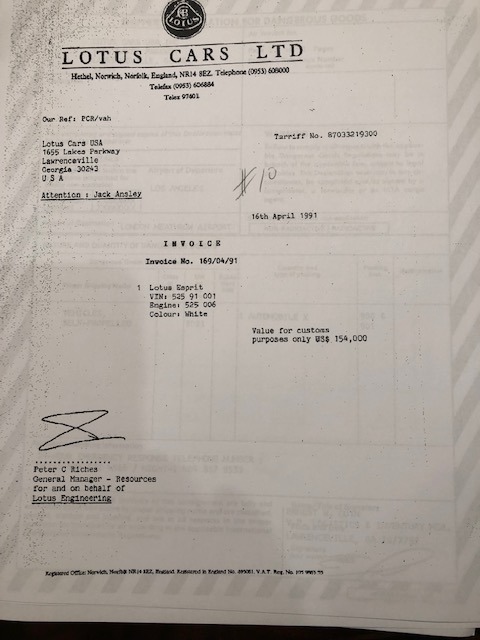
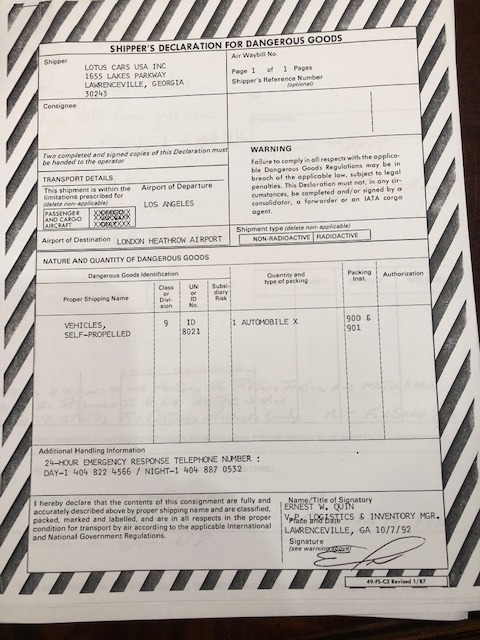
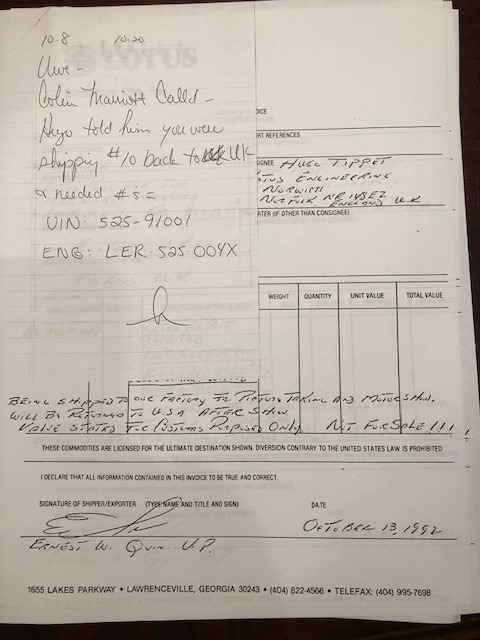
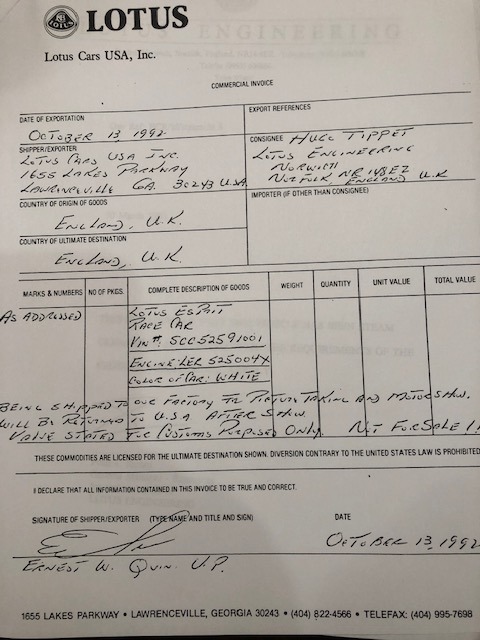
Around that fixed point sits a chain: the registry, the 2020 seller’s identification of this car as the championship car, and the period photographs above in which it wears No. 10. It is a strong chain, and it is not a factory build record. What would settle it is the paperwork — McGovern records that Yesteryear’s purchase from Jack Ansley included the “original bills of sale for the five cars from Lotus UK,” five documents naming chassis. Until those surface, the honest statement is the one made here: this is the car Doc Bundy says he won the championship in, and the rest of the number’s record is the number’s, not necessarily this car’s.